 Business License
What is hdmi 2.0?
HDMI (High Definition Multimedia Interface) is a digital interface for transmitting audio and video signals between devices. It is commonly used in home theaters, computers, and gaming systems to connect devices such as TVs, monitors, and speakers to a source, such as a cable box, DVD player, or game console. HDMI 2.0 is the latest version of the HDMI standard and was released in 2013.
HDMI 2.0 is an improvement over the previous HDMI 1.4 standard and offers a number of new features and capabilities. One of the main differences between HDMI 2.0 and HDMI 1.4 is the increase in bandwidth. HDMI 2.0 supports a bandwidth of up to 18 Gbps, which is significantly higher than the 10.2 Gbps of HDMI 1.4. This increase in bandwidth allows HDMI 2.0 to support higher resolution video and more audio channels, as well as additional features such as 3D video and 4K resolution.
4K resolution, also known as Ultra High Definition (UHD), is a resolution of 3,840 x 2,160 pixels. This is four times the resolution of Full HD (1920 x 1080) and provides a much clearer and more detailed image. HDMI 2.0 is capable of transmitting 4K resolution at 60 frames per second, which is important for smooth and seamless video playback.
In addition to supporting higher resolutions, HDMI 2.0 also supports an increased number of audio channels. While HDMI 1.4 only supported up to 8 audio channels, HDMI 2.0 supports up to 32 audio channels. This allows for a much more immersive audio experience, particularly when using a surround sound system.
One of the other key features of HDMI 2.0 is its support for dynamic auto lip-sync. This feature helps to synchronize the audio and video so that they are in sync and there is no delay between the two. This is particularly useful when watching movies or playing games with fast action, as it helps to eliminate any audio lag.
HDMI 2.0 also introduces the ability to transmit data over the HDMI cable, known as HDMI Ethernet Channel (HEC). This allows devices connected through HDMI to share an internet connection, eliminating the need for an additional Ethernet cable.
In addition to these features, HDMI 2.0 is backwards compatible with previous versions of HDMI. This means that devices with HDMI 2.0 ports can be used with devices that have older HDMI ports, although they may not be able to take advantage of all of the features of HDMI 2.0.
Overall, HDMI 2.0 is a significant improvement over the previous HDMI 1.4 standard and offers a number of new features and capabilities. Its increased bandwidth allows for higher resolution video and more audio channels, as well as support for 3D video and dynamic auto lip-sync. Its ability to transmit data over the HDMI cable, known as HDMI Ethernet Channel, allows for devices to share an internet connection. While it is backwards compatible with older HDMI devices, it is important to ensure that all devices in a setup are compatible with HDMI 2.0 in order to take full advantage of its capabilities.
Recently Posted
-
Do you offer guarantee for the products?
June 26, 2023Yes, we can offer 1 year guarantee for the goods.Read More -
Can I get a sample to check the quality of product?
June 26, 2023Yes. We can send you samples to check the quality within 3-5days.Read More -
How fast can i get the quotation?
June 26, 2023We usually quote within 24 hours after we get your inquiry. If you are very urgent to get the price,please call us or tell us in your email so that we will regard your inquiry as priority.Read More -
What is the difference between HDMI2.0 and 2.1
June 26, 2023Bandwidth: 2.0 is 18Gbps bandwidth, 2.1 is 48Gbps bandwidth; resolution: 2.0 supports up to 4K@60Hz, 2.1 supports 8K@60Hz and 4K@120hz; variable refresh rate: HDMI2.1 support, 2.0 does not support.HDMI means High Definition Multimedia Interface. This standard was initiated by 7 companies including Sony, Hitachi, Panasonic, Philips, Toshiba, Siliconimage, Thomson (RCA) in April 2002, and it unifies and simplifies users. TerminRead More

Contact Us
Recommended Products
-
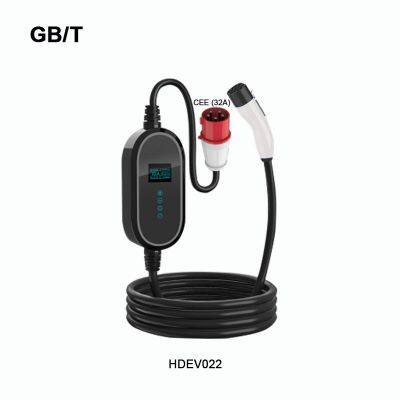
 Portable EV Charger CEE(32A) To GB/T 16A 32A Home Ev Charging HDEV022NegotiableMOQ: 100 Sets
 -
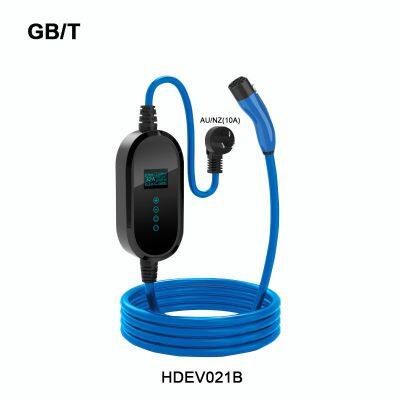
Portable Electric Car Charger Schuko(16A) To GB/T Home Charger for New Energy Vehicle 7kw Charger HDEV021NegotiableMOQ: 100 Sets
-
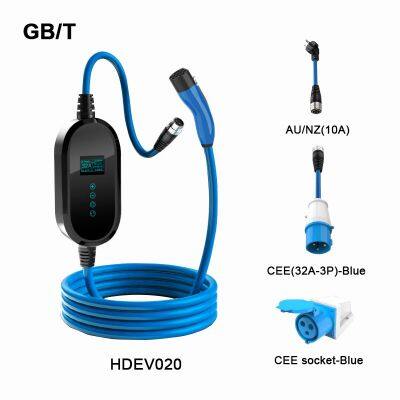
Portable Ev Charger With Intelligent Recognition Intelligent Charging GB/T IEC62196 10A 16A 32A Home Charger HDEV020NegotiableMOQ: 100 Sets
-
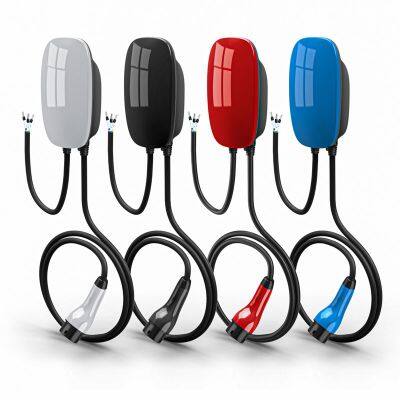
EV Wall Charger Type2 Connector(16A/30A/32A/50A) Almost Compatible With All EVS HD5003NegotiableMOQ: 100 Sets
-
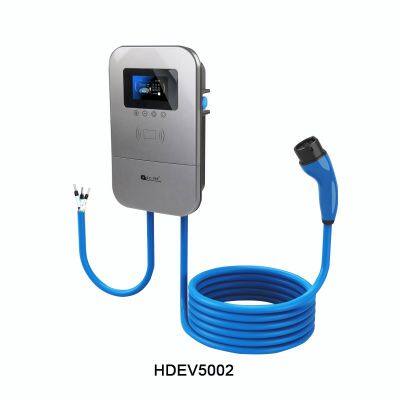
Electric Vehicle Wall Charger(16A,32A,3.5KW,11KW) Type 2 EV Charger HDEV5002NegotiableMOQ: 100 Sets
-
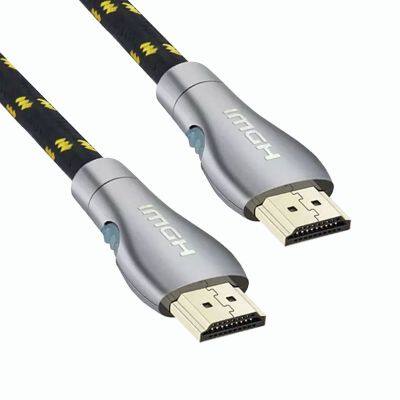
High Speed Signal Transmission 4k HDMI Male to HDMI Male Multimedia Cable HD1046NegotiableMOQ: 50 Pieces
-
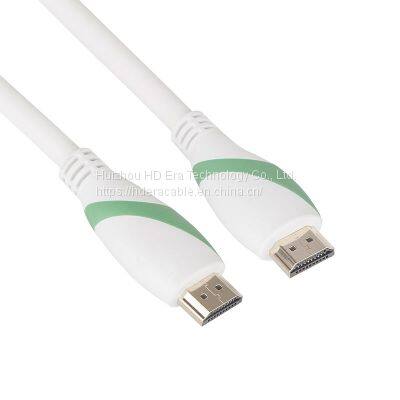
High Speed HDMI To HDMI TV HDMI Cable for DVD Player Cable HD1051NegotiableMOQ: 50 Pieces
-
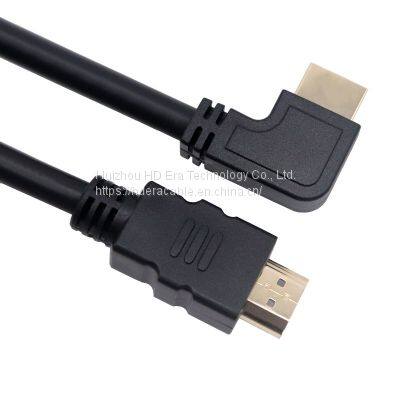
Hdmi To Hdmi Cable 1.4v 2.0v 4K 90 Degrees Right Angle USB Type for ComputerNegotiableMOQ: 50 Pieces
-
90 Degree Left Angle Hdmi To Hdmi Cable 1.4v 2.0v 4K Hdmi Cable for Camera HD1065NegotiableMOQ: 50 Pieces
-
Best Hdmi Cable 4k Factory Good Price HDMI 19 P A/M to A/M -With LED Blue LightNegotiableMOQ: 50 Pieces
-
1.4v,2.0v,2.1v 4K 8k HDMI Cables for Camera, Computer Best Factory With Good PriceNegotiableMOQ: 50 Pieces
-
HD1004 Video Cables 3D 4K 60hz 1080p 1m Hdmi 4K Applied to Multimedia Audio With Custom LogoNegotiableMOQ: 50 Pieces
-
8K HDMI Cable HD1025NegotiableMOQ: 50 Pieces
-
New Type C USB 4k HDMI Male to HDMI Cable for Mac TV Projection HD1046NegotiableMOQ: 50 Pieces
-
Wholesale Male to Male Gold Plated High Speed HDMI Cable OEM Support HD1004NegotiableMOQ: 50 Pieces
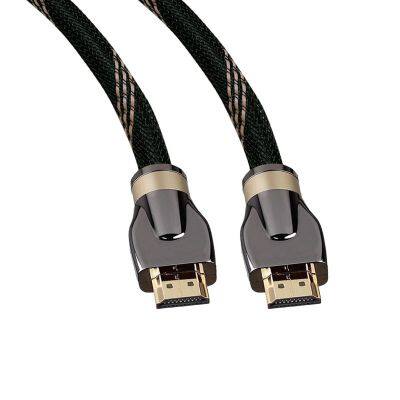
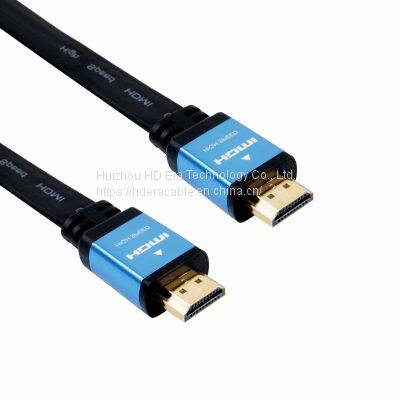
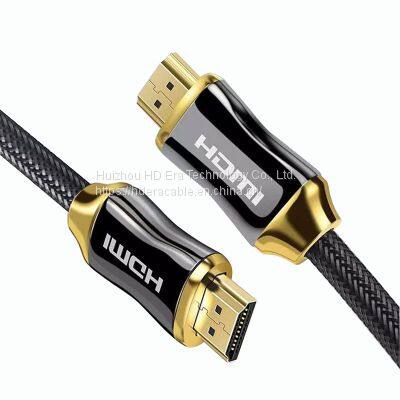
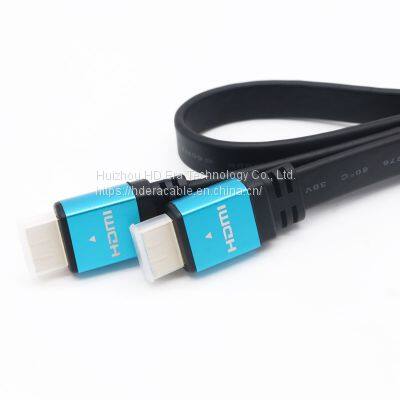
-
HD1046 China Wholesale Cable 4K HDMI 2.1 Cable With Best PriceNegotiableMOQ: 50 Pieces
-
Wholesale Male to Male Gold Plated High Speed HDMI Cable OEM Support HD1035NegotiableMOQ: 50 Pieces
-
HD1046 Type C Cable Type-c to HDMI Cable for Connect Phone to TV HDTV With LED Blue LightNegotiableMOQ: 50 Pieces
-
Ultra-HD Active Optical Fiber Optic Cable HDMI Double for DVD Player HD1051NegotiableMOQ: 50 Pieces
-
Ev Wall Charger (16A,30A,32A,50A )GB/T For Home Charger HDEV5001NegotiableMOQ: 100 Sets